
Hyperlocal Marketing: The 2026 Guide to Dominating Your Local Market
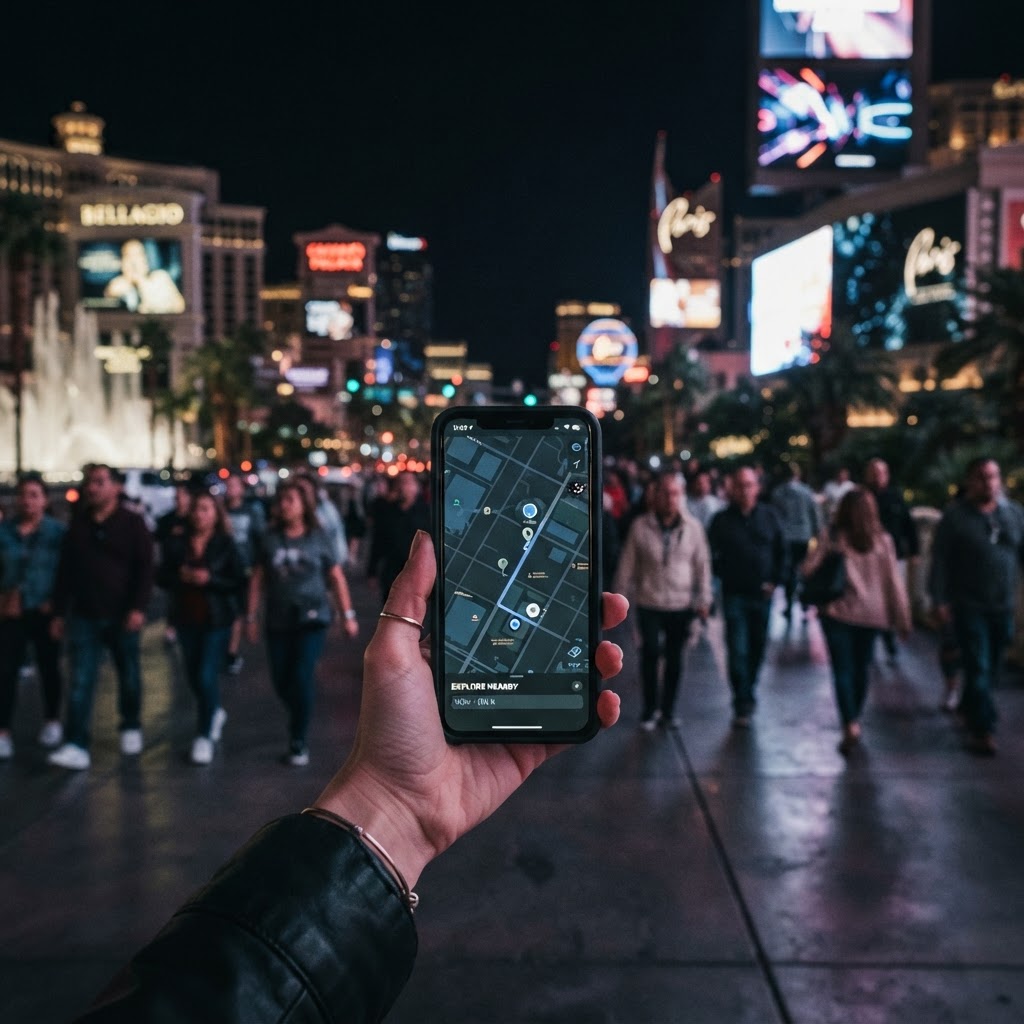
Hyperlocal marketing is a precision-based strategy that targets potential customers within a very specific geographic radius, often as small as a few city blocks, to deliver highly relevant, real-time messaging. By leveraging mobile data, geofencing, and local search intent, businesses can capture high-intent leads exactly when they are most likely to make a purchase. ## Key Takeaways * Hyperlocal marketing moves beyond broad demographics to target individuals based on their precise real-time location. * Geofencing allows you to trigger notifications or ads when potential customers enter or exit specific zones, including competitor locations. * Combining location data with behavioral insights creates a personalized experience that increases conversion rates. * Local SEO and community-centric content are essential foundations for any successful hyperlocal campaign. * Privacy and transparency are critical; avoid over-personalization that might trigger consumer reactance. ## The Power of Precision in 2026 In the competitive landscape of 2026, broad-reach advertising is often a waste of budget for small businesses. Hyperlocal marketing shifts the focus from reaching the most people to reaching the right people at the right moment. Whether you are a restaurant in Summerlin or a service provider in Downtown Las Vegas, your goal is to dominate your immediate vicinity. By focusing on a smaller geographic footprint, you can achieve a higher return on ad spend (ROAS) because your messaging is inherently more relevant to the user's current context. ## Core Strategies for Hyperlocal Success ### Geofencing and Proximity Targeting Geofencing creates a virtual boundary around a physical location. When a mobile device enters this zone, your business can trigger a specific action, such as a push notification, a social media ad, or an in-app alert. Competitive geofencing is particularly effective; by placing a virtual fence around a competitor's location, you can serve ads to their customers, offering them a compelling reason to visit your business instead. ### Integrating Local SEO and Content Local SEO is the backbone of your hyperlocal strategy. It ensures that when someone searches for a service "near me," your business appears at the top of the results. Community-centric content plays a vital role here. By creating blog posts, videos, or social media updates that highlight local events, neighborhood news, or partnerships with other nearby businesses, you signal to search engines that you are a relevant, active member of the local community. ### Behavioral Targeting and Personalization Modern marketing is not just about where a customer is, but what they are doing. By combining location data with behavioral insights, you can tailor your offers. For example, a coffee shop might send a discount code to a user who is within two blocks of their store during the morning commute. Personalization must be balanced to avoid consumer reactance. If a message feels too intrusive, it can backfire. Always ensure your marketing provides genuine value rather than just tracking user movement. ## Implementing Your Hyperlocal Plan 1. Define Your Radius: Start by identifying the "micro-market" that drives the majority of your revenue. 2. Audit Your Data: Ensure your Google Business Profile is fully optimized and that you have the necessary tracking pixels installed on your website. 3. Choose Your Channels: Focus on platforms that support location-based targeting, such as Facebook, Instagram, and Google Ads. 4. Test and Refine: Start with a small budget to test different offers and geofenced zones. Analyze the foot traffic and conversion data before scaling your efforts. ## Frequently Asked Questions ### What is the difference between local SEO and hyperlocal marketing? Local SEO focuses on improving your visibility in search results for geographic queries, while hyperlocal marketing is a broader strategy that includes paid advertising, geofencing, and real-time mobile engagement to target users in specific locations. ### Is geofencing legal and safe for small businesses? Yes, geofencing is a standard marketing practice. However, you must ensure you are compliant with data privacy regulations and that your ads are served through reputable platforms that respect user privacy settings. ### How do I measure the success of a hyperlocal campaign? Success is measured through a combination of digital metrics like click-through rates and physical metrics like store visits, coupon redemptions, and increased foot traffic during the campaign period. ### Can small businesses afford hyperlocal marketing? Absolutely. Because you are targeting a smaller, more qualified audience, you can often achieve better results with a smaller budget compared to broad-reach national or city-wide campaigns. ### How do I avoid being "creepy" with location data? Focus on providing value. If a customer receives a notification, it should be for a relevant offer or helpful information that they actually want, rather than a generic "we see you are nearby" message. ## Ready to Dominate Your Local Market? Hyperlocal marketing is a powerful way to grow your business, but it requires a strategic approach to be effective. At RAW Marketing Group, we specialize in helping Las Vegas businesses implement advanced, AI-driven marketing strategies that drive real results. If you are ready to increase your foot traffic and capture more local leads, book a free strategy call with our team today.
Ready to Grow Your Business?
Let the RAW Marketing team put these strategies to work for you.